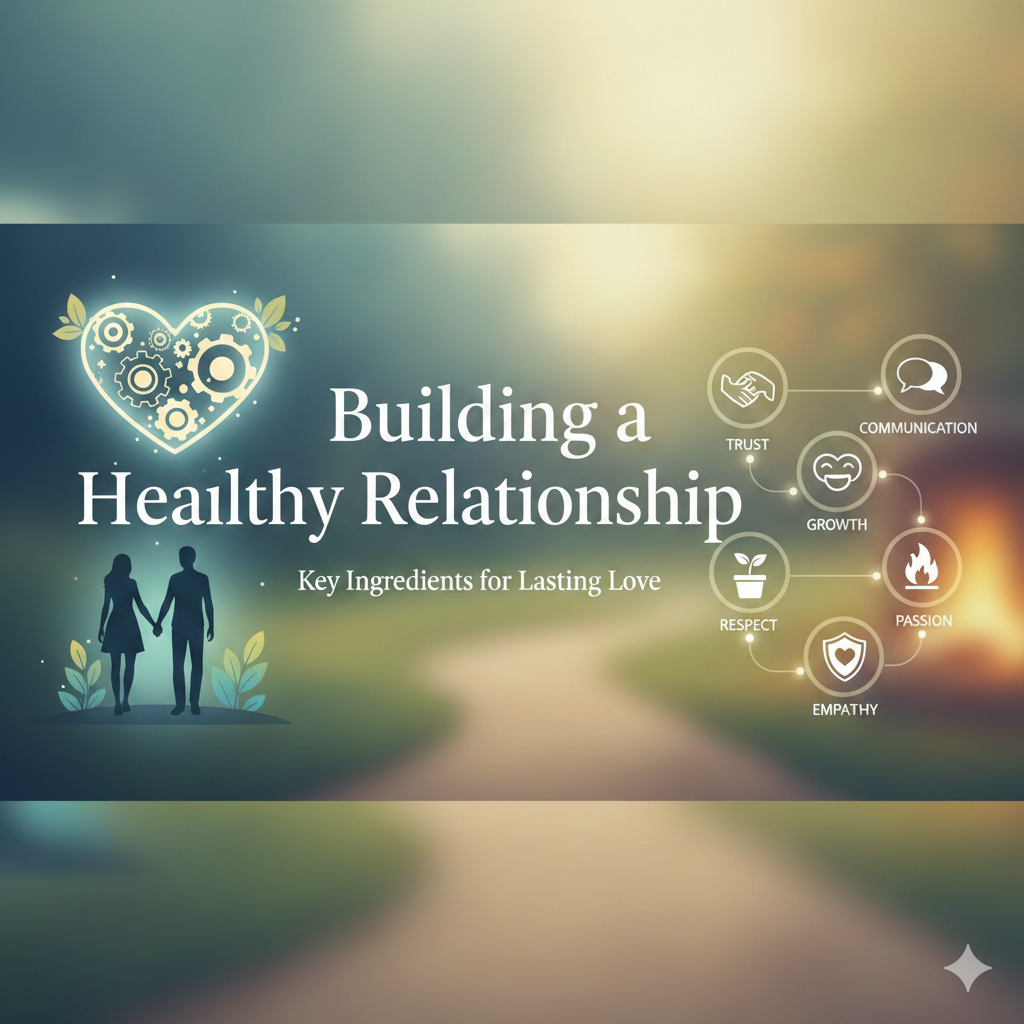
Understanding Healthy Relationships
A healthy relationship is characterized by mutual respect, trust, open communication, and emotional support. These components are essential for creating a balanced partnership where both individuals feel valued and secure. In contrast, unhealthy relationships often reveal a lack of respect, trust, or communication, where one partner may feel belittled, ignored, or manipulated. Understanding these distinctions is crucial for individuals seeking not only lasting love but also personal well-being.
Mutual respect forms the foundation of any strong relationship. Partners should appreciate each other’s opinions, choices, and boundaries. This respect allows both individuals to feel free to express themselves without fear of judgment or retribution. Trust is another key characteristic; it fosters a sense of safety, allowing partners to be vulnerable with one another. In healthy relationships, trust is built over time through consistent actions and open dialogue.
Open communication plays a significant role in maintaining relationship health. It involves more than merely sharing thoughts; it also encompasses listening actively and empathetically. Healthy couples discuss their feelings, desires, and concerns without fear of dismissal, ensuring that each partner’s voice is heard. This transparency not only strengthens the bond but also prevents misunderstandings that could lead to conflict.
Emotional support is vital for individual well-being within a relationship. Partners should be there for each other in times of need, offering understanding, compassion, and encouragement. This emotional backbone provides both individuals with the necessary strength to navigate life’s challenges together, reinforcing the connection and fostering growth.
In conclusion, understanding healthy relationships involves recognizing the symbiotic nature of respect, trust, communication, and emotional support. These key ingredients contribute significantly to individual well-being and enrich the overall relational experience, thereby laying the groundwork for enduring love.
Effective Communication in Relationships
Effective communication is one of the cornerstone components of a successful and enduring relationship. In any partnership, clear and open communication fosters understanding, strengthens emotional bonds, and reduces the likelihood of conflicts. To establish effective communication, it is essential to recognize the different communication styles that individuals may adopt. Some people may be more assertive, while others might lean towards a more passive approach. Understanding these differences can help partners tailor their communication methods to suit one another’s preferences and promote a healthier dialogue.
Active listening is a vital skill that enhances communication in relationships. It involves fully concentrating on the speaker, understanding their message, and responding thoughtfully. Techniques such as maintaining eye contact, nodding in acknowledgment, and repeating key points can facilitate active listening. This practice not only shows respect for the speaker but also encourages them to express their thoughts and feelings in a safe environment. By engaging in this two-way communication process, couples can build trust and a deeper emotional connection.
Additionally, expressing one’s feelings and needs effectively is crucial. Utilizing “I” statements, such as “I feel” or “I need,” allows individuals to communicate their experiences without assigning blame, minimizing defensiveness from their partner. Clear expression reduces misunderstandings and fosters empathy. Furthermore, when disagreements arise, conflict resolution becomes essential. Addressing conflicts constructively requires partners to approach disagreements calmly, focusing on finding a solution rather than assigning blame. Techniques such as compromise and negotiation play a significant role in navigating these difficult conversations. By emphasizing patience and understanding, couples can resolve conflicts while maintaining respect for one another’s perspectives.
Ultimately, effective communication is a two-way street that necessitates effort, patience, and mutual respect. Through the development of these skills, couples can enhance their relationships, paving the way for enduring love and connection.
The Role of Trust and Accountability
Trust is one of the foundational elements of a healthy relationship. It serves as the bedrock upon which mutual respect, communication, and emotional intimacy are built. Establishing trust may take time and effort, often beginning with transparency and consistency in one’s actions and words. By demonstrating reliability and understanding, partners can cultivate a significant level of trust, deepening their emotional connection.
Accountability further reinforces this trust. When individuals in a relationship take responsibility for their actions, it fosters an environment where honesty flourishes. This entails acknowledging mistakes and working actively towards resolution, as well as upholding commitments made to one another. By being accountable, partners not only address trust issues that may arise but also create a dynamic where both parties feel respected and valued. Conversely, lack of accountability can erode trust rapidly, leading to mistrust and dissatisfaction.
Common trust issues, such as dishonesty or betrayal, can create significant barriers to relationship satisfaction. To rebuild trust following such challenges, open and honest communication is essential. This process may require discussing the incident, understanding the underlying emotions, and formulating a plan to ensure it does not reoccur. It is crucial for both partners to be patient, as restoring trust is an ongoing process that necessitates time and dedication from both sides.
Honesty and integrity play a pivotal role in creating a safe emotional environment, where partners feel secure in expressing vulnerabilities and fears. Trust is not merely given; it is earned through consistent behavior and reliability. By prioritizing both trust and accountability, couples can navigate the complexities of their relationship with greater ease, ultimately strengthening their bond and ensuring lasting love.
Nurturing Emotional and Physical Intimacy
Emotional and physical intimacy are crucial components of a healthy and fulfilling relationship. Emotional intimacy revolves around the sense of closeness and connection that two partners experience. It produces a safe environment in which both individuals feel comfortable expressing their emotions, fears, and vulnerabilities. Sharing personal stories, dreams, and aspirations enhances this bond and fosters a deeper understanding of each other. Practicing active listening and providing empathetic responses are fundamental in fostering this form of intimacy. By creating space for open dialogues, partners can feel more connected and valued.
Physical intimacy, on the other hand, encompasses the affectionate and sexual elements of a relationship. Acts of affection, such as holding hands, hugging, or cuddling, contribute significantly to emotional closeness. These simple yet profound gestures express love and strengthen the relational bond. Sexual compatibility is also vital; it ensures that both partners feel satisfied and fulfilled in their physical connection. Regularly discussing sexual needs and desires can help partners navigate this essential aspect of intimacy, allowing for openness and exploration.
Vulnerability plays an essential role in both emotional and physical intimacy. It requires a level of trust in the relationship, enabling partners to share their innermost fears and desires without judgement. Encouraging personal growth, coupled with emotional support, is equally important. When both partners strive for individual development, they create an atmosphere that values and nurtures each other’s emotional health. This practice not only enhances intimacy but also brings about a deeper sense of connection and appreciation for one another.