News
Trump Reverses Course, Urges GOP to Vote for Release of Epstein Files



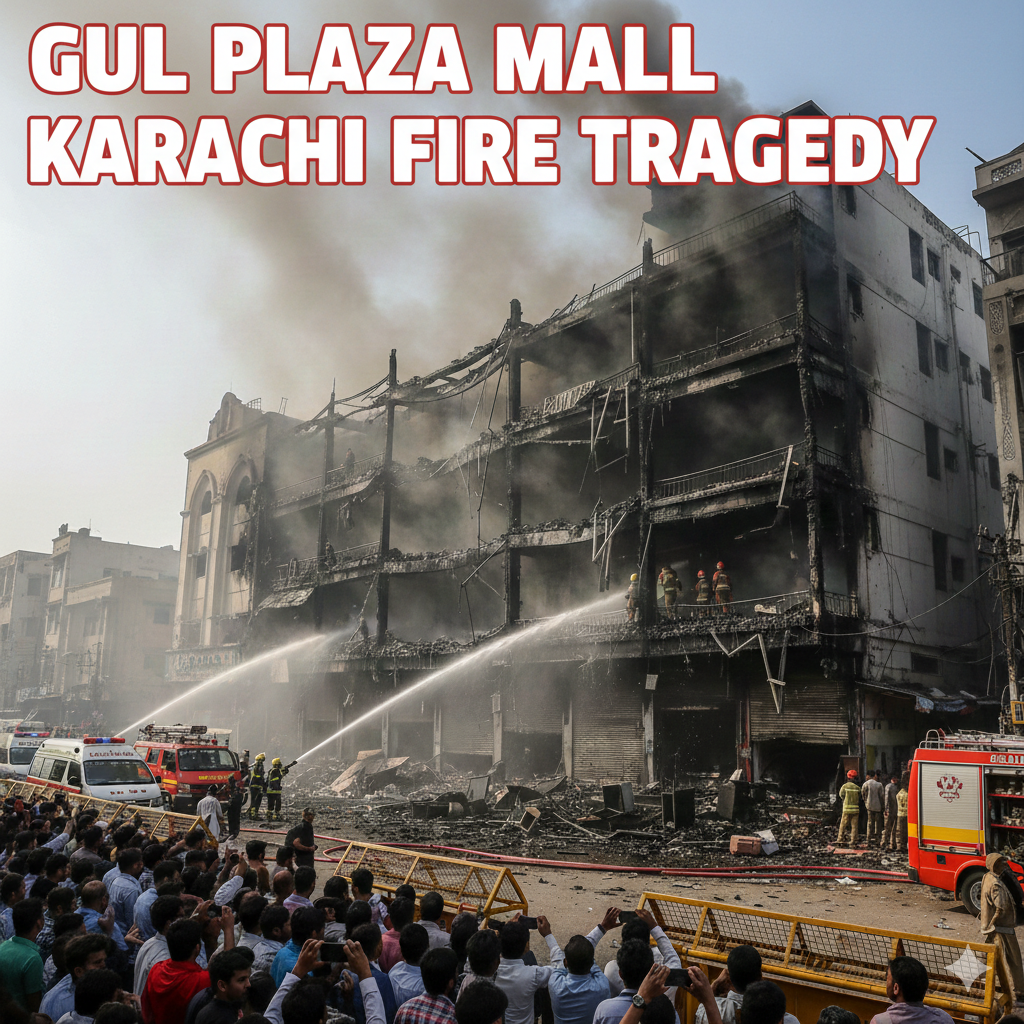
It all began on the night of January 17, 2026, at Gul Plaza, a sprawling multi-storey shopping complex on MA Jinnah Road in downtown Karachi, one of the busiest commercial districts in the city. The building was home to around 1,200 shops selling everything from clothes and carpets to household goods. At roughly 10 p.m., a fire broke out on the ground floor and, because much of what was inside was highly flammable, it raced upward through the building. Thick black smoke spread quickly, and the blaze engulfed nearly every floor within minutes.
Fire crews were called in, but they faced enormous challenges from the start. Heavy traffic and narrow streets delayed their arrival, and once on site they discovered that the old building lacked basic safety features like clearly marked, accessible fire exits, sprinklers, or a proper ventilation system. Most of the mall’s 16 exits were found to be locked as the fire spread, leaving many inside trapped with no easy way out. Smoke filled stairwells and corridors faster than survivors could escape, and rescuers were initially unable to enter large parts of the structure because of extreme heat and the threat of collapse.
The battle to control the inferno stretched on for more than 36 hours. Hundreds of firefighters, Rescue 1122 teams, and emergency personnel worked tirelessly, but even after the flames were finally suppressed, thick smoke and hot spots continued to smolder beneath the rubble. Portions of the building’s front and rear had collapsed under the toll of the fire, making the structure unstable and dangerous to enter.
As rescue and recovery efforts continued, the human cost became ever clearer. Official counts shifted as bodies were recovered from the debris, and many more people remained unaccounted for as families waited anxiously for news. At one point, authorities reported at least 26 to 28 confirmed deaths, including children, while dozens of others were still missing and feared buried under the ruins. DNA testing had begun to identify victims because many remains were badly burned.
Among the dead was a firefighter, Furqan Shaukat, who lost his life while trying to control the blaze. Many people were treated for smoke inhalation and burns at local hospitals, and hundreds of shopkeepers now face the heartbreaking loss of their livelihoods as nearly all the goods in those 1,200 shops were destroyed. Early estimates suggest economic losses could be well over tens of billions of rupees, with many traders left without insurance or compensation for their stock and businesses.
The tragedy has stirred deep grief and anger across the city. Relatives of the missing gathered at the gutted site, searching for answers. Some criticized the slow emergency response and the lack of basic safety measures in a building that had been long known to be overcrowded and poorly maintained. Calls for accountability have grown louder, urging strict enforcement of fire safety laws, better emergency planning, and infrastructure improvements to prevent a repeat of such a disaster.
Officials, including the Sindh chief minister and federal leaders, have promised investigations into the causes of the fire and the adequacy of the response, and have vowed support for victims’ families and affected traders. But for many people in Karachi, the pain of what was lost — lives, dreams, and livelihoods — will linger far longer than the ashes at Gul Plaza.

News
Portuguese President Marcelo Rebelo de Sousa Undergoes Emergency Surgery for Incarcerated Hernia
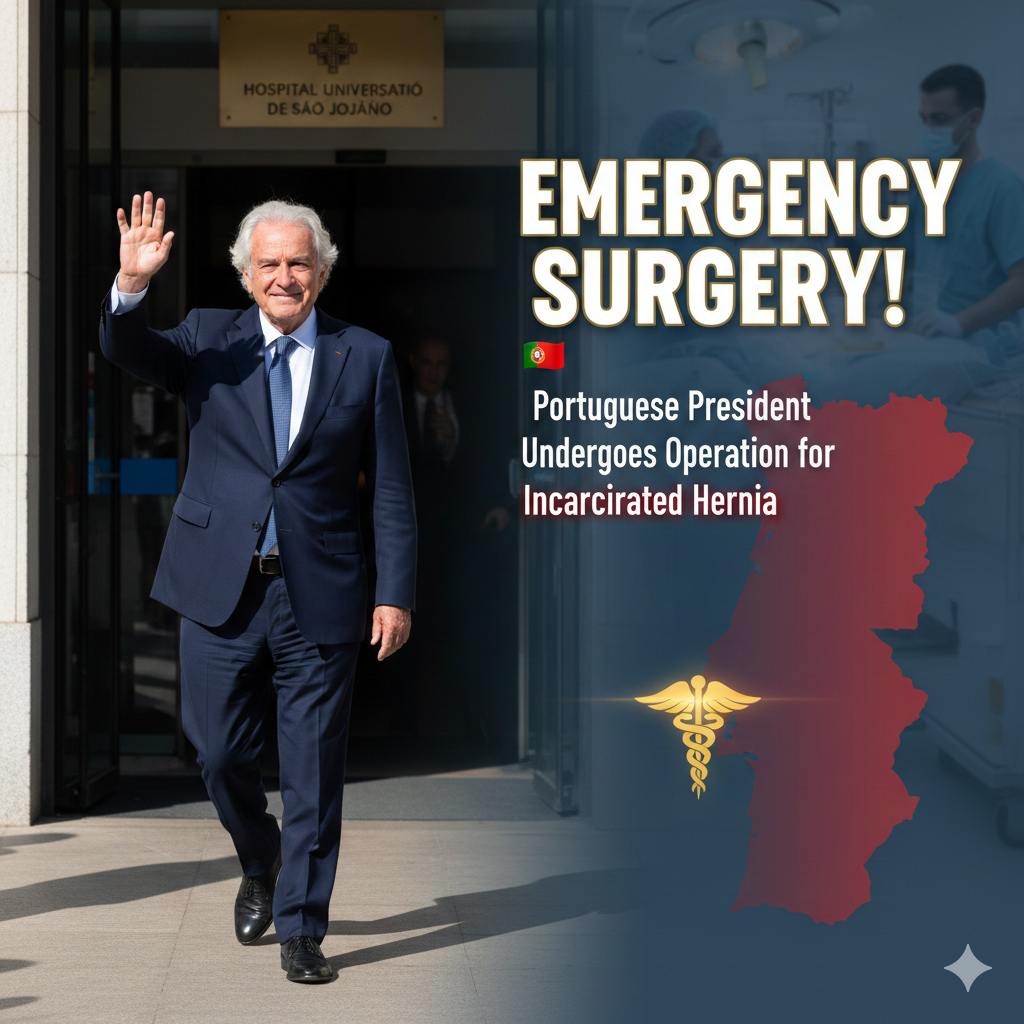
The political landscape in Portugal was momentarily gripped by concern this week following the news that President Marcelo Rebelo de Sousa, a highly popular and active head of state, was rushed to the hospital for emergency surgery. The 76-year-old leader was admitted to the Hospital Universitário de São João in Porto after experiencing what his office initially described as “digestive issues,” which were quickly diagnosed as an incarcerated hernia, requiring immediate surgical intervention.
The operation, which took place late Monday, December 1, 2025, has been declared a success by the medical team, offering immediate reassurance to the nation. While the prognosis for the Portuguese President remains excellent, the incident underscores the intense scrutiny surrounding the health of key national figures and the swift, coordinated response of the presidential office to ensure stability.
The Urgent Medical Situation: Incarcerated Hernia
President Rebelo de Sousa, known for his relentless and energetic schedule, felt unwell while traveling back from a funeral in Amarante, near Porto. Recognizing the symptoms of a serious gastrointestinal issue, his doctors decided to admit him to the São João Hospital in Porto for a thorough examination.
The diagnosis revealed an incarcerated hernia, a serious medical condition where tissue, typically part of the intestine, pushes through a weak spot in the abdominal wall and becomes trapped. This condition is particularly dangerous because the incarcerated tissue can become strangulated, cutting off the blood supply. This lack of circulation can lead to tissue death (necrosis) and potentially require the removal of part of the intestine, making the immediate surgery a critical, life-saving measure.
Dr. Maria João Baptista, President of the hospital’s Board of Directors, emphasized the importance of the swift action. “It was important the president had been operated on immediately, as incarcerated hernias can cause complications if not treated promptly,” she stated, confirming that the surgery “went well” and was without complications.
Marcelo Rebelo de Sousa health crisis, incarcerated hernia surgery, emergency medical procedure Portugal, Hospital Universitário de São João Porto, digestive issues president Portugal.
Post-Operative Recovery and Health Updates
Following the urgent procedure, the Presidency released a reassuring statement that the head of state was “awake and in good spirits” late Monday night. The initial recovery timeline appears to be positive and relatively short.
According to updates from the medical team on Tuesday, December 2, 2025, the President had a restful night and is progressing favorably. He is expected to remain hospitalized for approximately two days, with a potential discharge on Wednesday, provided he is able to tolerate food and mobilize as required in the post-operative period.
Recovery Milestones and Expectations
- Hospital Stay: Expected to be brief, around 2-3 days.
- Post-Operative Rest: The President’s schedule for the coming days has been canceled to ensure adequate rest.
- General Recovery: For an incarcerated hernia repair, recovery is typically faster with modern surgical techniques. While initial rest is vital, patients are usually encouraged to walk soon after surgery. Strenuous activity, including heavy lifting, is generally restricted for four to six weeks to allow the surgical site to fully heal.
Given the President’s age and previous history of health incidents—including a collapse due to low blood pressure in 2023 and prior hernia surgeries in 2017 and 2021—his condition is being closely monitored. However, the medical team is optimistic, predicting a full and smooth recovery.
President Rebelo de Sousa recovery timeline, Portuguese leader health update, incarcerated hernia prognosis, Presidential duties suspended.
Political Implications and Governance Stability
The sudden hospitalization of the Portuguese President naturally sparks discussion about the continuity of governance, particularly at a time when the political climate can be sensitive. As a highly charismatic and central figure in Portuguese politics, Rebelo de Sousa plays a critical non-executive, yet influential, role in national life, often acting as a key arbiter and voice of national unity.
The President’s Constitutional Role
The President of the Republic in Portugal holds significant powers, including:
- Dissolving Parliament: The power to call early elections, a critical check on the government.
- Appointing the Prime Minister: Formalizing the appointment of the government leader.
- Vetoing Legislation: The authority to send laws back to Parliament for reconsideration.
- Commander-in-Chief: Head of the armed forces.
In the event of a temporary presidential incapacitation, the Constitution provides clear procedures. If the President is temporarily unable to perform his duties, the President of the Assembly of the Republic (currently Augusto Santos Silva) would assume the functions of the acting President. However, given the short expected hospital stay and successful surgery, an official transfer of power is highly unlikely and the presidency’s Civil House, led by Fernando Frutuoso de Melo, has been managing the cancelled appointments.
Impact on the National Agenda
The immediate impact is the cancellation of the President’s public agenda for the short term, including official visits and celebratory events he was scheduled to attend. Just hours before his emergency, the President had presided over the important 1 December celebrations in Lisbon’s Praça dos Restauradores, marking the Restoration of Independence. The prompt cancellation of all upcoming engagements underscores the need for complete rest for a man whose daily regimen is typically exhausting.
The government, led by the Prime Minister, continues its work uninterrupted. The swift and transparent communication from the Presidency has successfully minimized political anxiety, reinforcing the message of stability in Portugal’s government.
Portuguese politics stability, Presidential incapacitation protocol Portugal, Portuguese government update, head of state emergency.
A History of Public Health Transparency
President Rebelo de Sousa has a long track record of being unusually transparent about his health, a trait that has often endeared him to the public.
- Prior Hernia Surgeries: He underwent surgery for an umbilical hernia in 2017 and a similar procedure in 2021, suggesting a predisposition to this issue.
- Heat-Related Incidents: In 2023, he collapsed during a visit due to low blood pressure, attributed to the heat and his demanding schedule. He was discharged shortly after, advising the media and the public to “drink more water.”
This policy of immediate and honest disclosure has been key in preventing widespread speculation and uncertainty during this latest health scare. The public receives direct, medical-backed information, allowing the political process to continue with minimal disruption.
Conclusion: Resilience and Recovery for the Head of State
The urgent surgery of President Marcelo Rebelo de Sousa for an incarcerated hernia served as a stark, if brief, reminder of the vulnerability of even the most robust public figures. The quick diagnosis and successful operation in Porto have averted a potentially severe health crisis.
The President of Portugal is now focused on recovery, with hopes for a swift return to his official duties within days. The incident, while concerning, has once again highlighted the efficiency of the medical system and the constitutional mechanisms in place to ensure the seamless function of Portugal’s government. The nation awaits the charismatic leader’s return to the public sphere, reassured that the immediate danger has passed and that the beloved Professor Marcelo remains in firm command of his health and his office.
-
Events3 months ago
New Year’s Eve celebration 2025
-
Health and Lifestyle3 months ago
5 Unique Ways to Plan a Perfect, Stress-Free Holiday
-
Health and Lifestyle3 months ago
5 Easy Daily Habits for Better Health
-
Fashion3 months ago
Top 5 Winter Tracksuits for Men 2025
-
Health and Lifestyle3 months ago
Top 5 Easy-to-Cook and Quick Healthy Meals (Ready in 30 Minutes or Less)Top 5 Easy to Cook and Quick Healthy Meals
-
News3 months ago
Portuguese President Marcelo Rebelo de Sousa Undergoes Emergency Surgery for Incarcerated Hernia
-
Business3 months ago
Digital Product Business 2026: How to Start, Sell & Grow Online for Passive Income
-
Uncategorized3 months ago
Affordable Christmas Gifts Under $20: Thoughtful Ideas That Don’t Break the Bank