The Dance: A Viral Celebration and a Strategic Showcase
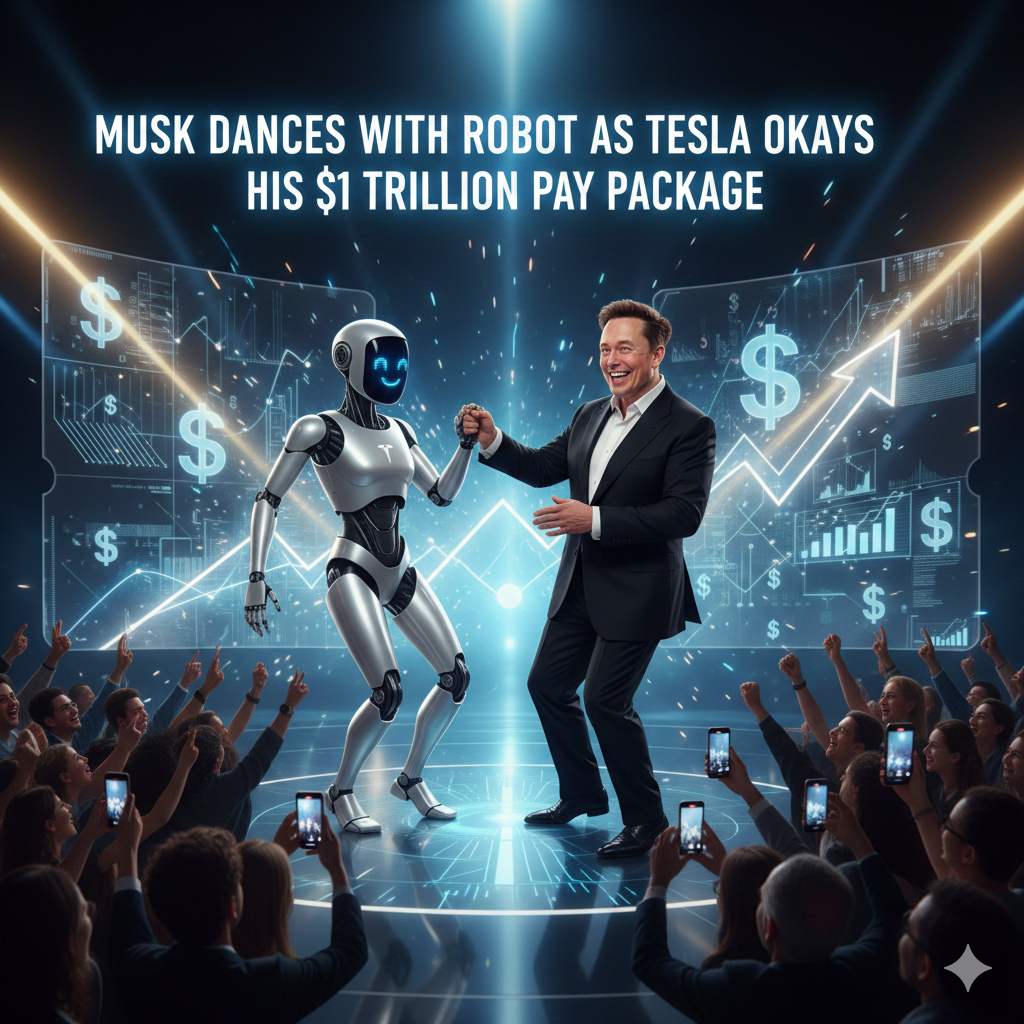
The moment that truly stole the headlines was the impromptu jig that followed the vote announcement.
As the ecstatic cheers of the shareholders—many of them loyal retail investors, or “Tesla superfans,” who chanted his name—filled the Texas auditorium, an elated Musk beckoned the Optimus robot onto the stage. The resulting dance was a blend of human spontaneity and robotic precision. While the bot showcased its fluid, untethered movements and impressive balance, Musk was all human charm, a slightly goofy expression of pure, unadulterated triumph.
This moment was far more than just a celebration; it was a carefully constructed piece of professional article-worthy theater, serving two massive strategic purposes:
- Humanizing AI: By dancing with Optimus, Musk immediately makes the intimidating concept of a humanoid robot feel friendly, accessible, and even fun. It’s a classic Musk technique to soften the edges of radical technology. The image of the world’s richest man laughing alongside a prototype instantly makes the tech relatable.
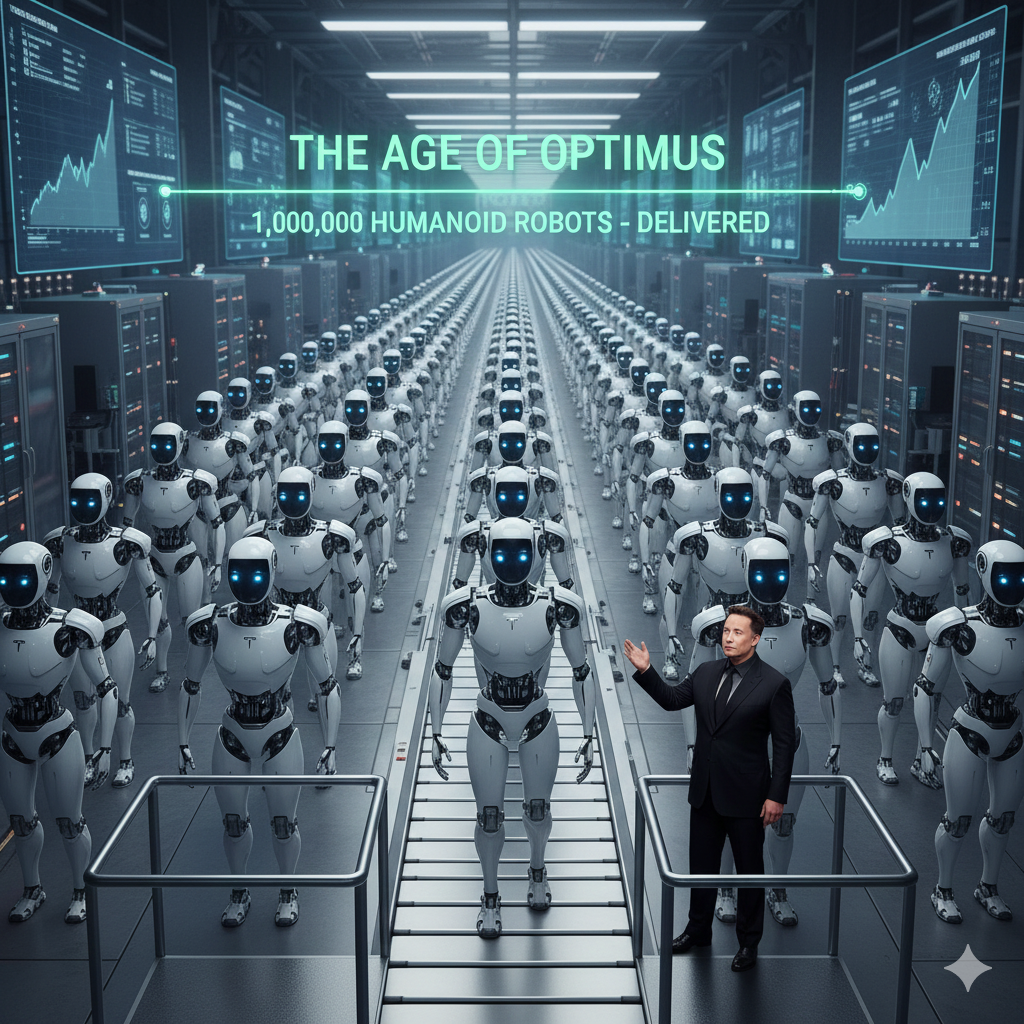
- Shifting the Narrative: Crucially, the dance firmly planted the Optimus robot—and by extension, the entire Artificial General Intelligence (AGI) and robotics division—front and center. With the pay package targets now public, Musk is using the viral appeal of the dance to highlight the product that he believes will be the true trillion-dollar business driver for Tesla. He’s saying: “The EV story is just the beginning. The real revolution is happening here.”
For the shareholders present, the display was a reaffirmation of the risk they were taking. It demonstrated the company’s commitment to the AI revolution that is core to the pay package’s success.
The Voices of Dissent: Risk vs. Reward
Of course, a payout of this magnitude doesn’t occur without controversy. The opposition, which included some large institutional investors and proxy advisory firms like Glass Lewis, raised legitimate concerns:
- Concentration of Power: Critics argued that the deal concentrates too much financial power and control in the hands of one person, potentially increasing key-person risk if Musk were to lose focus or leave.
- Excessive Dilution: The potential issuance of hundreds of millions of new shares could be excessively dilutive to existing shareholders if the promised milestones aren’t fully met.
- Safety Incentives: Concerns were raised that tying a trillion-dollar incentive to the rapid deployment of robotaxis might create a “dangerous financial incentive” to rush unproven autonomous driving technology onto public roads before it is absolutely proven safe.
However, the overwhelming shareholder vote, with more than 75% approval, suggests that for the majority of investors, the potential upside of having Musk remain fully engaged in the pursuit of these moonshot goals far outweighs the risks. They are betting on the only person they believe can execute the company’s ambitious, decade-long march toward achieving true full autonomy and dominating the burgeoning humanoid robotics market.
The $1 trillion tango was not just a dance; it was a pledge. It was a commitment from the CEO to his shareholders to deliver a future that today only exists in blueprints and science fiction. And as the music faded, the message was clear: Tesla’s stock market cap and the promise of the age of abundance now rest squarely on the shoulders of one man and the nimble, dancing metal creation by his side.